
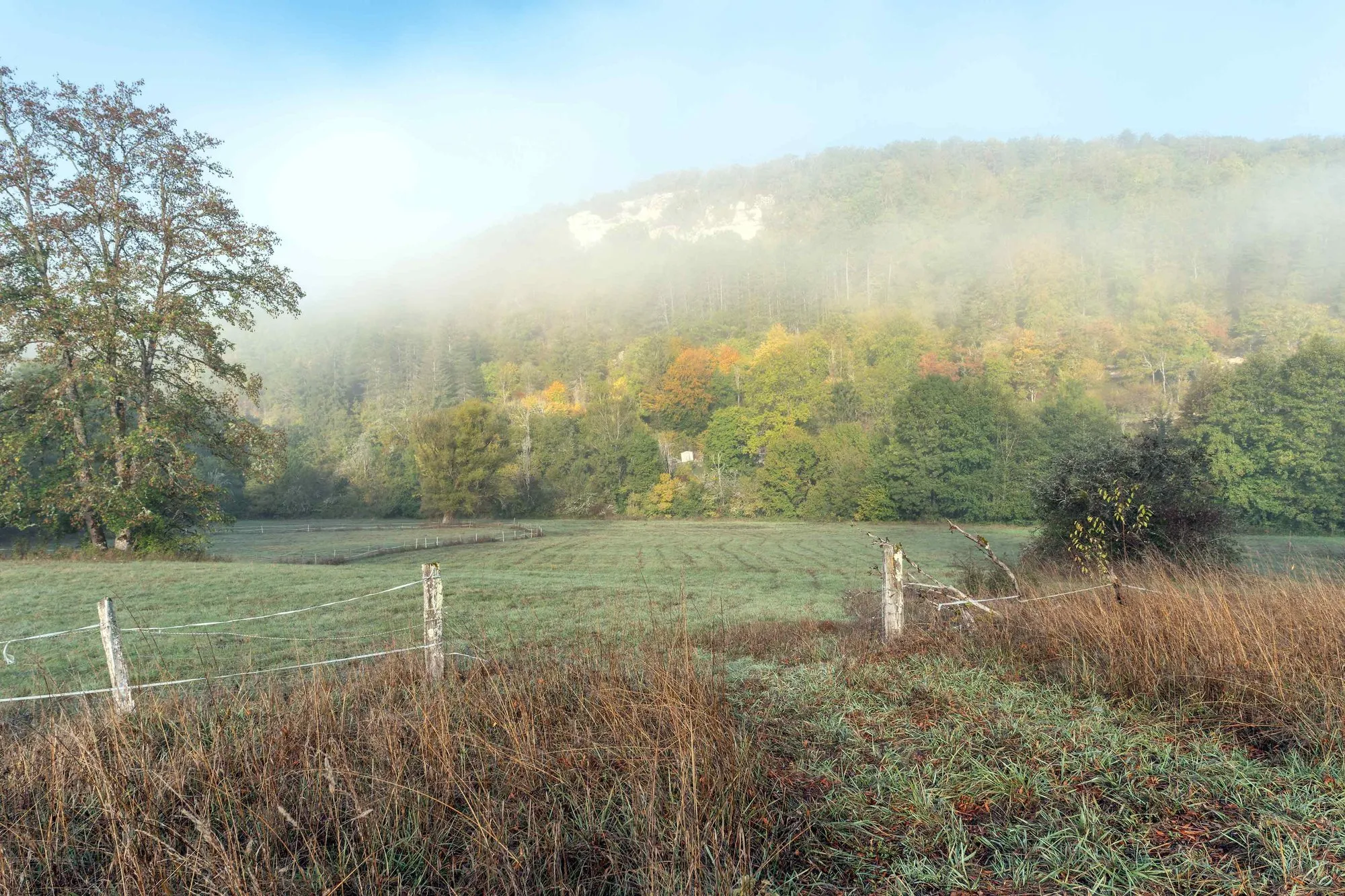
Welcome to the Ouche valley, in the heart of the Côte-d'Or
Q ENERGY's Grands Communaux wind farm project: what fire risks for this Natura 2000 forest?
In summer 2026, fires ravaged the Natura 2000 forests of the Arrière-Côte, from Nuits-Saint-Georges to Saint-Romain and Couchey, destroying more than 160 hectares. The Ouche valley was not spared, with fires at Sainte-Marie-sur-Ouche and Fleurey-sur-Ouche.
In France, 9 out of 10 forest fires are started by people. Combined with persistent droughts, longer summers and increasingly frequent heatwaves, this makes our forests particularly vulnerable, and also threatens wildlife and protected species.
This site and the report that goes with it explain what is at stake, and why we consider the Grands Communaux wind farm project a serious mistake: an additional, unnecessary risk for forests that are already weakened, and for the people of the Ouche valley and the surrounding area.
170 ha
burnt in 2026 in the « Arrière-Côte de Dijon et de Beaune » Natura 2000 area
800 L
of lubricants, on average, in a wind turbine nacelle
5
wind turbine arson incidents (confirmed or probable) recorded in France since 2016
0
mentions of forest fire in Q Energy’s appeal ruling (Grands Communaux project)
What we want to protect
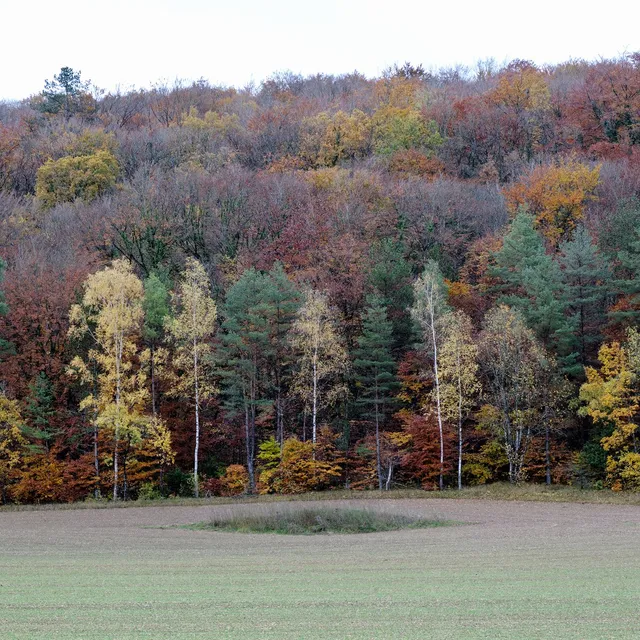
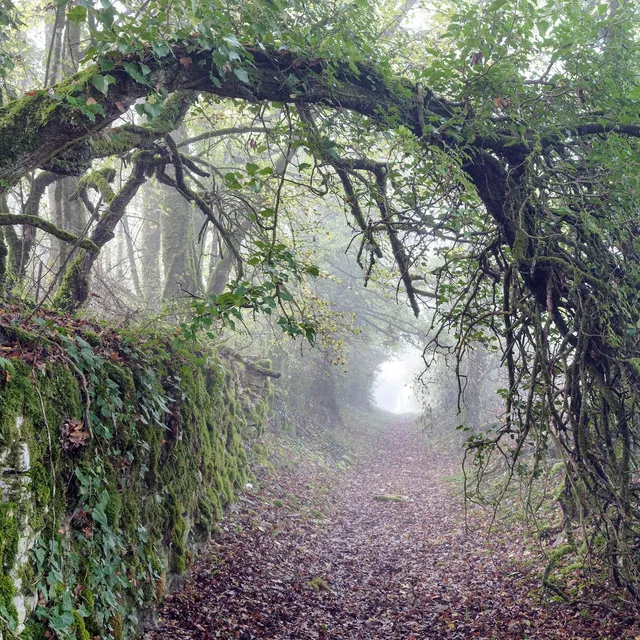
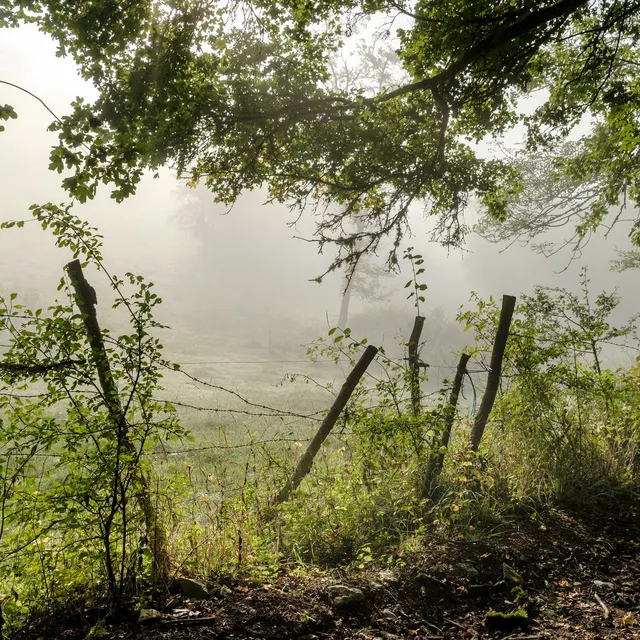
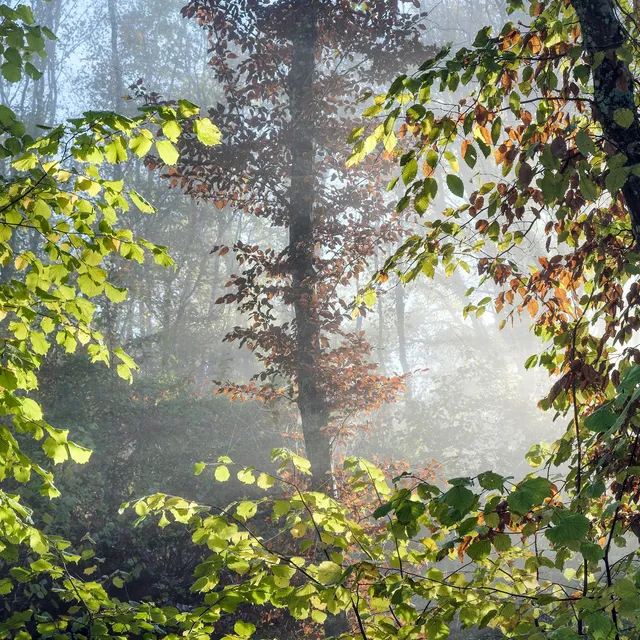
Natura 2000 forests, meadows and paths
Illustration
One spark is enough
In dry, windy weather, a fire that starts on the ground spreads to the undergrowth and then to the trees within minutes.
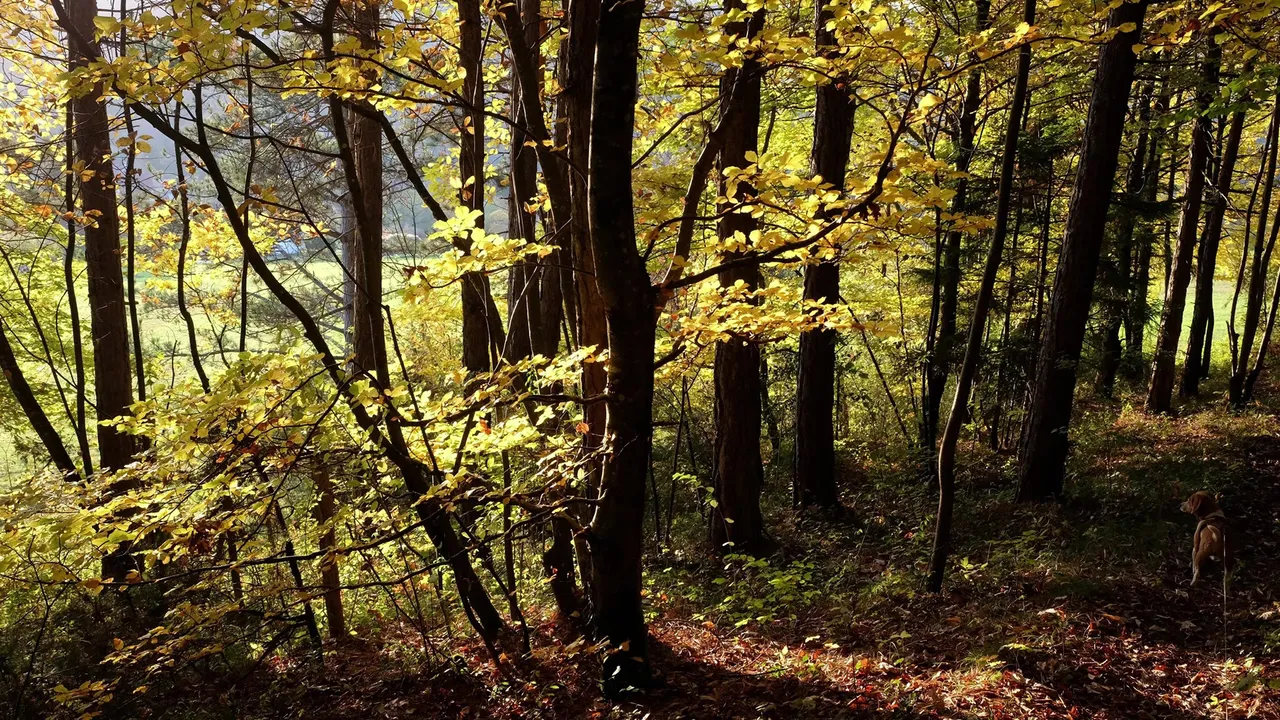
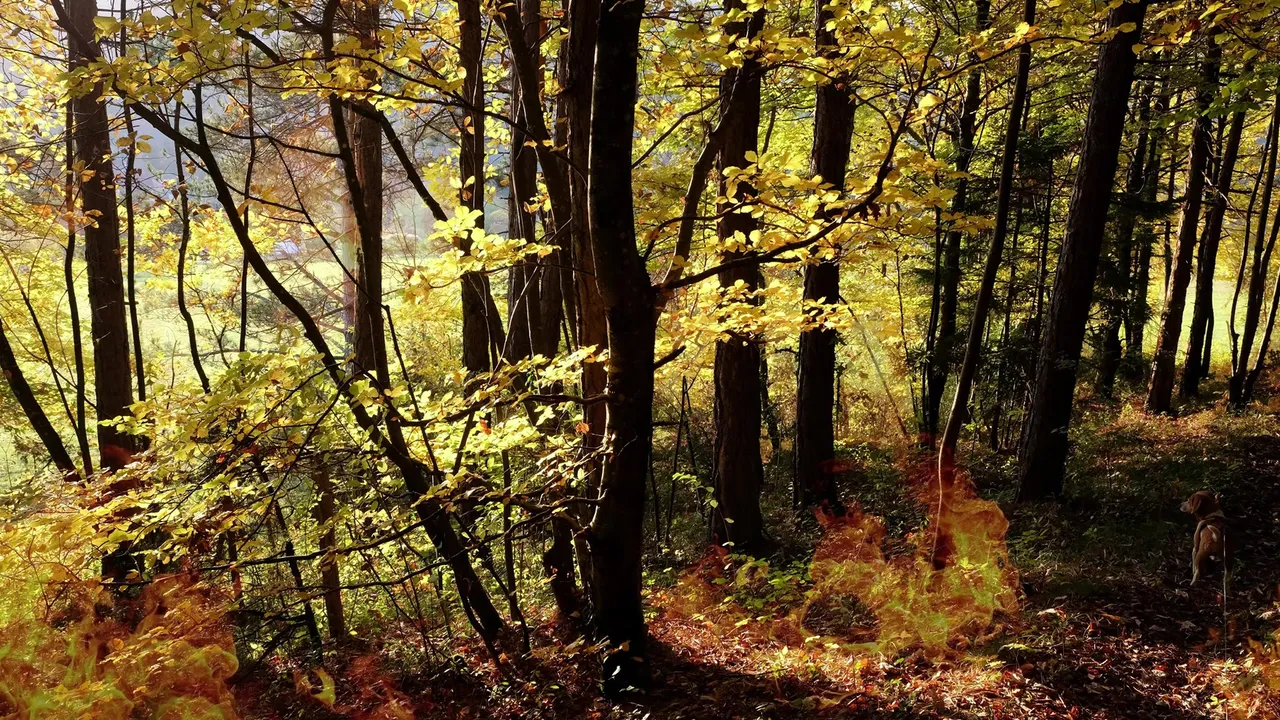
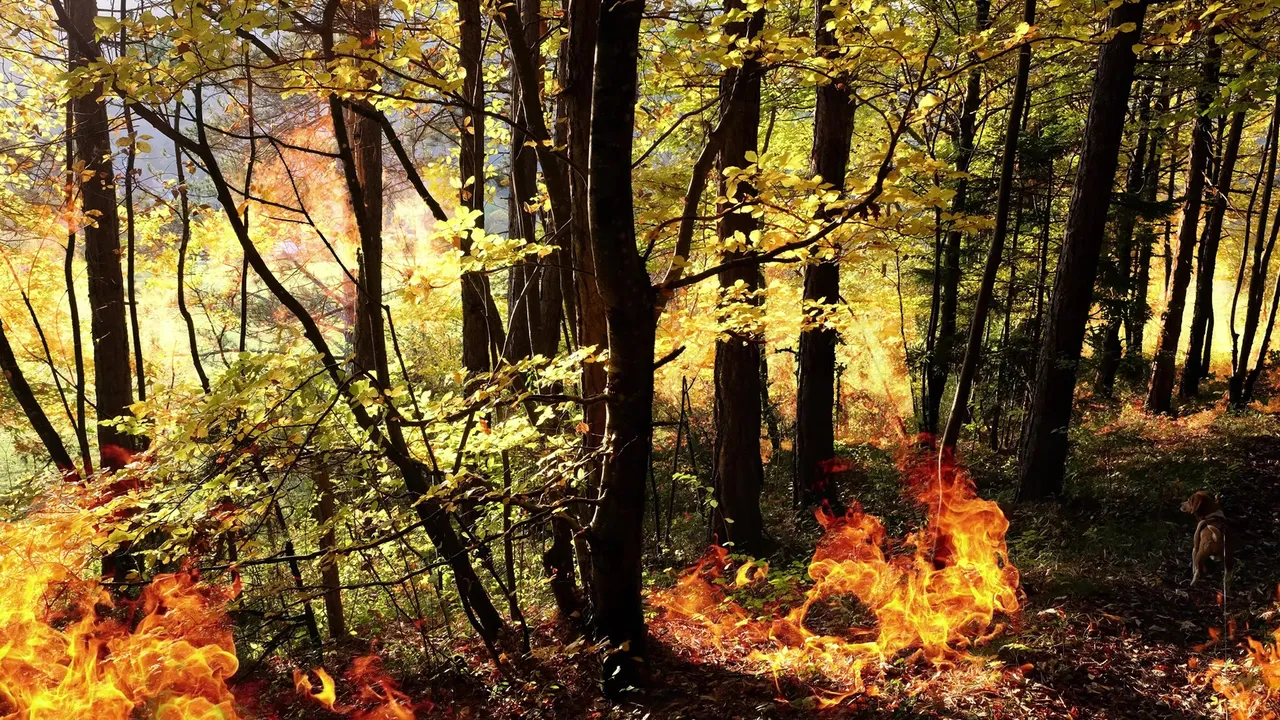
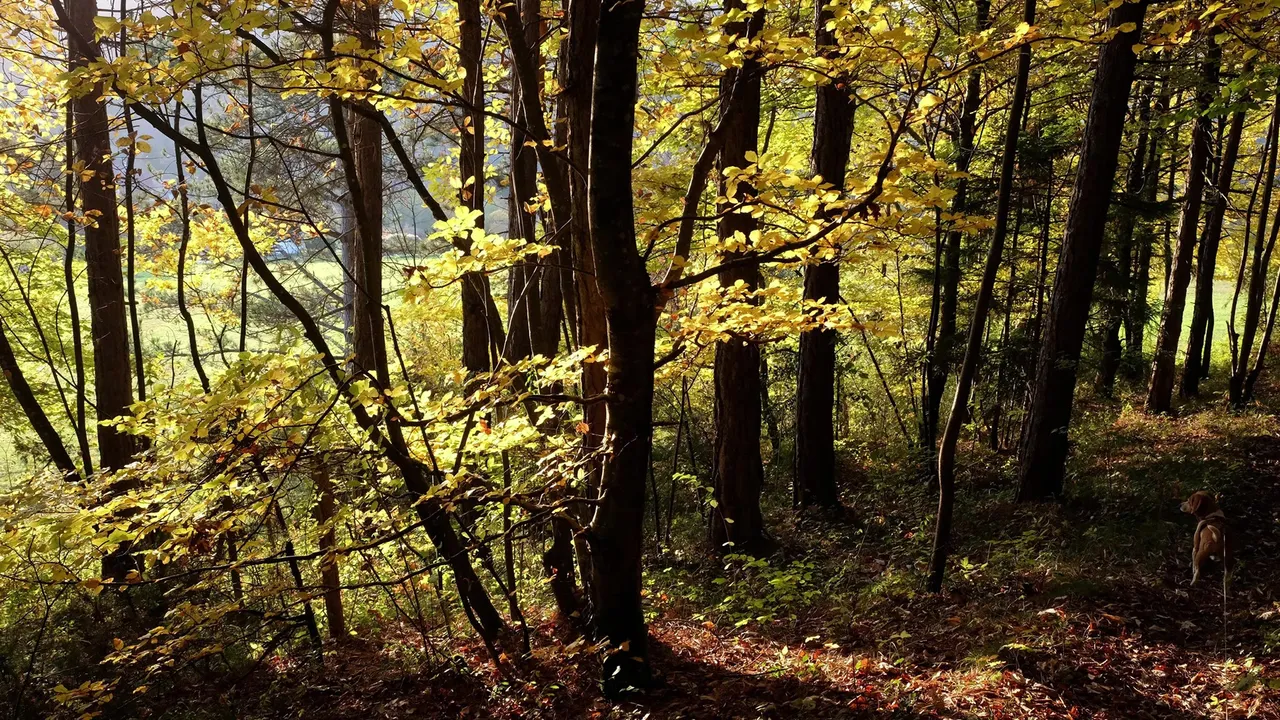
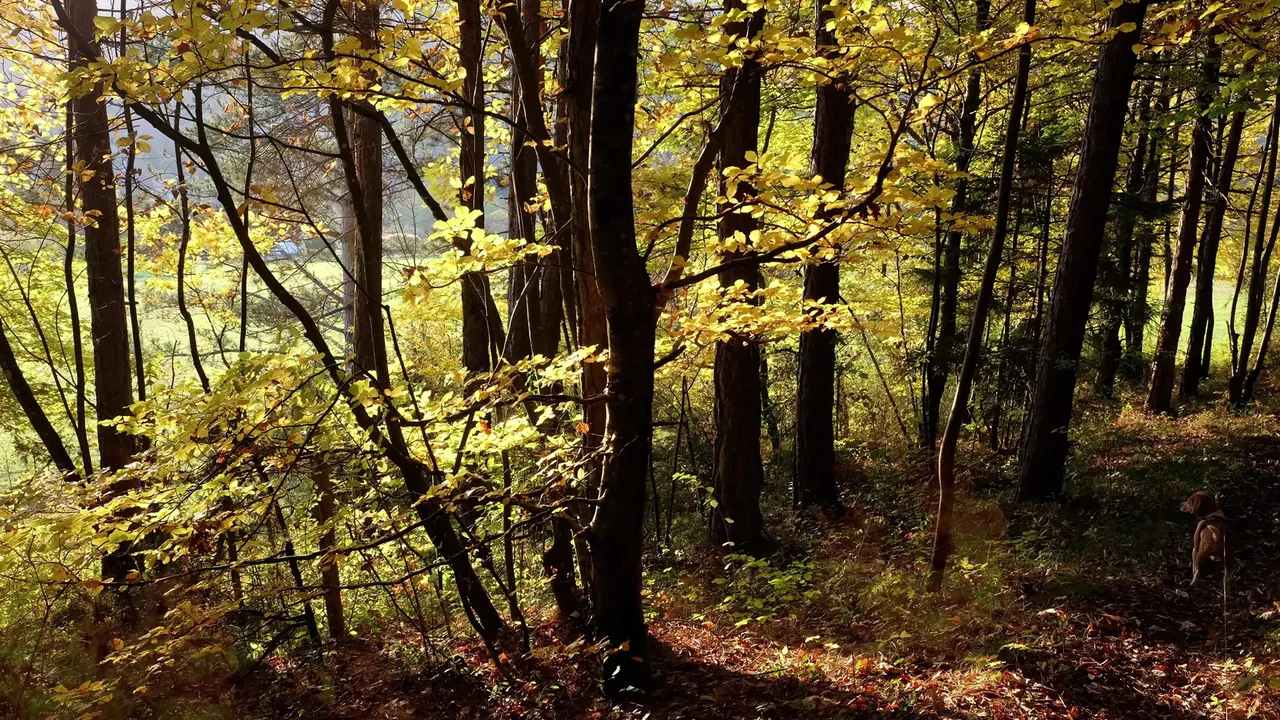
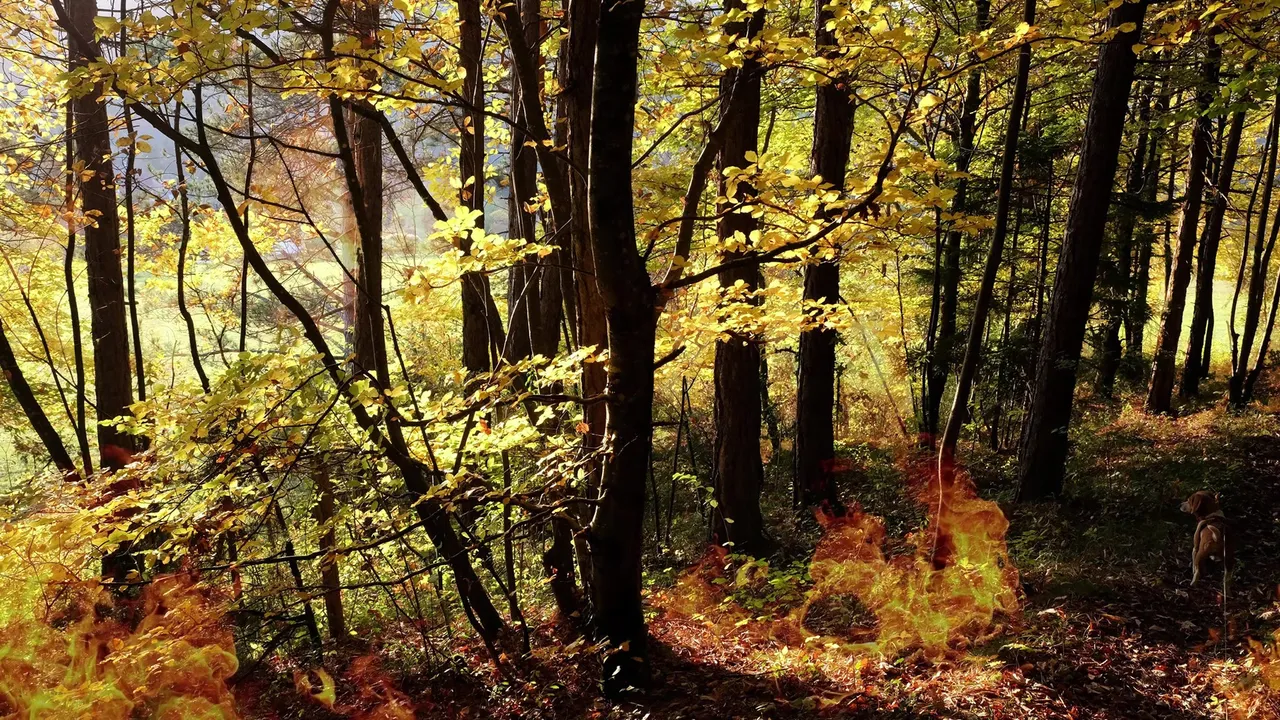
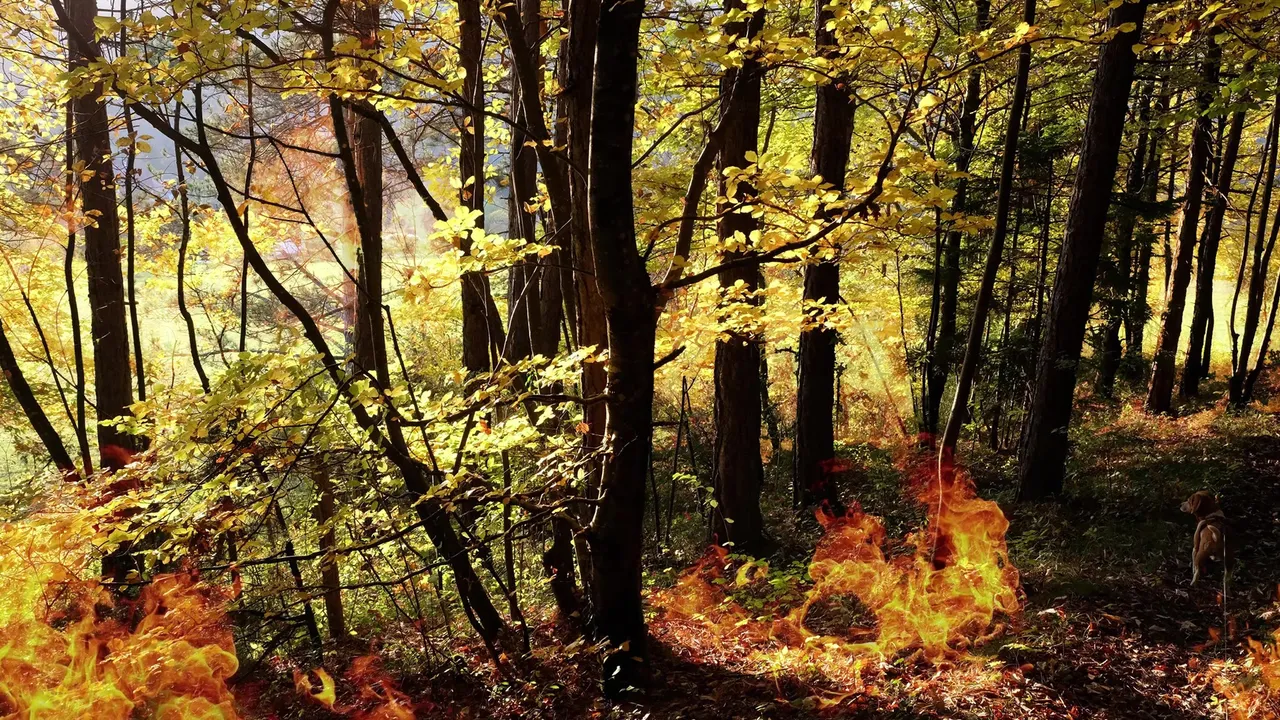
2019. Four hectares burnt in the forest at the source of the Ouche
Wind turbine fires
The main causes of wind turbine fires are lightning, electrical faults, mechanical faults and poor maintenance.
- Lightning strikes the blades, the highest point in the landscape.
- The gearbox and its oils: around 800 L of lubricants in the nacelle.
- An electrical fault in the generator or transformer.
- The brakes : friction heats the brake disc.
Burning debris from a nacelle can fall onto the forest canopy and could start a fire.
What can I do?
Read it, then discuss it
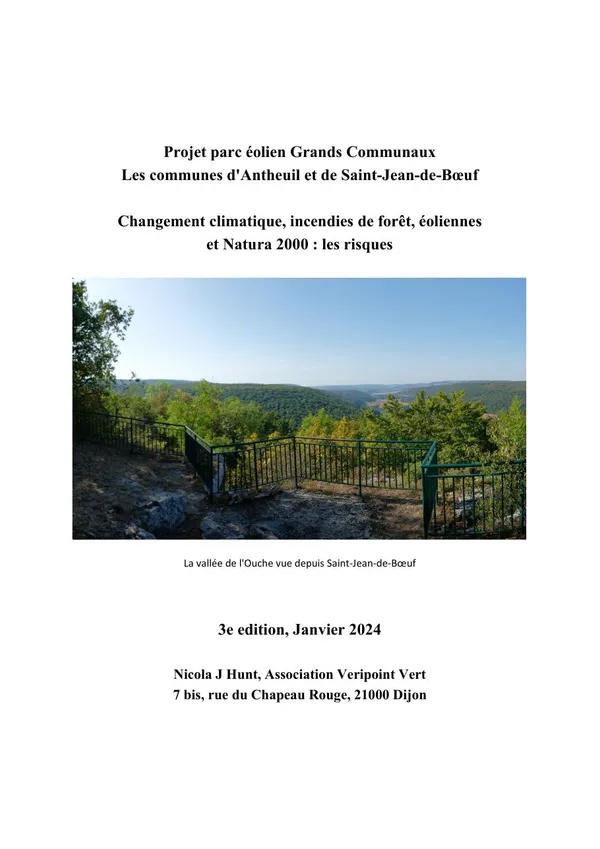
A comprehensive report on the fire risks of wind turbines in forests, in the context of climate change and Natura 2000 sites, based on Q Energy’s Grands Communaux wind farm project (Antheuil and Saint-Jean-de-Bœuf). At a time when energy policy is pursuing renewable targets and we are trying to protect our forests better, it gives you what you need to understand the issues and debate them on an informed basis.
The report is currently available in French.
Download (PDF in French, 4.4 MB)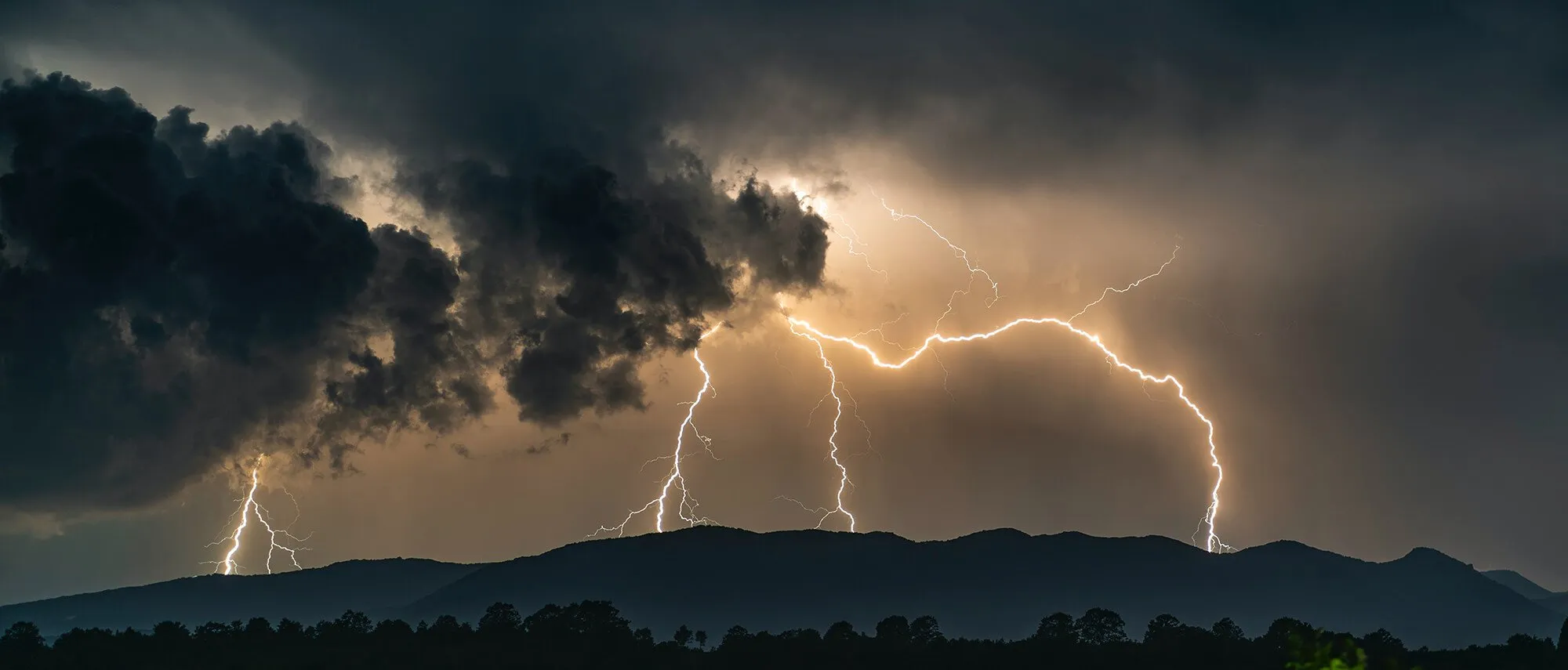
The strangest lightning
Most natural fires are started by lightning, but it is less well known that tall structures such as wind turbines can trigger their own lightning, which can also start a fire.
Watch this video (from 0:33 to 1:31), which captures the extraordinary sight of 13 turbines simultaneously generating their own “upward” lightning on an American wind farm.
Natura 2000
Many of the species and habitats for which this Natura 2000 site was designated could be affected by a forest fire.

Black stork
A major issue for the black stork, classed as endangered
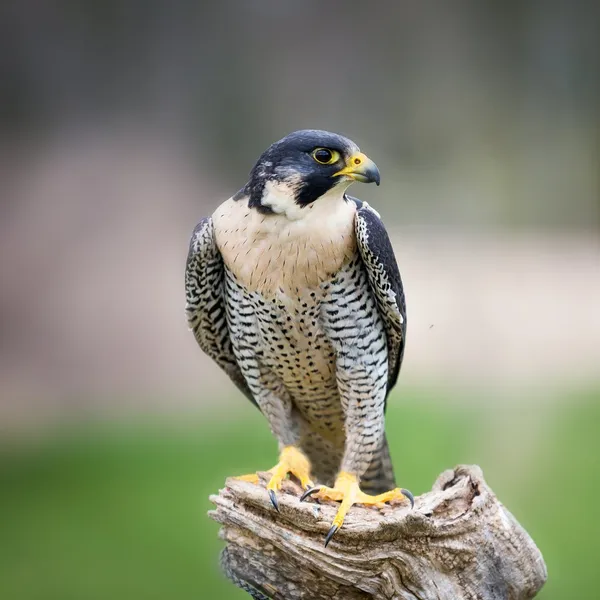
Peregrine falcon
A very high priority in the SPA management plan (DOCOB)
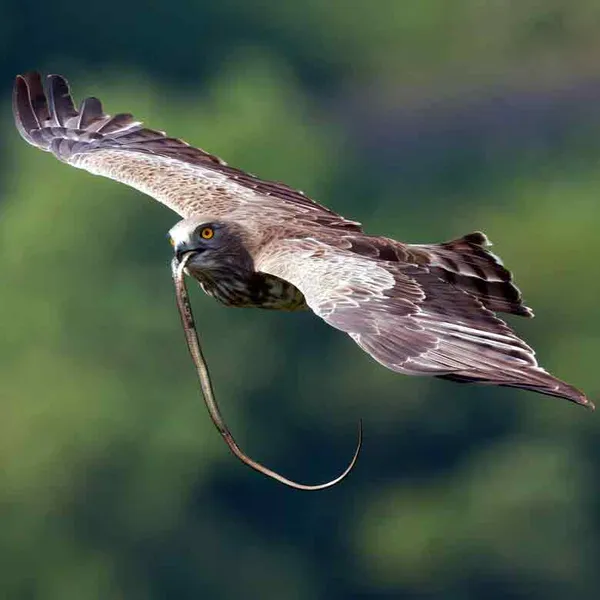
Short-toed snake eagle
Protected bird of prey
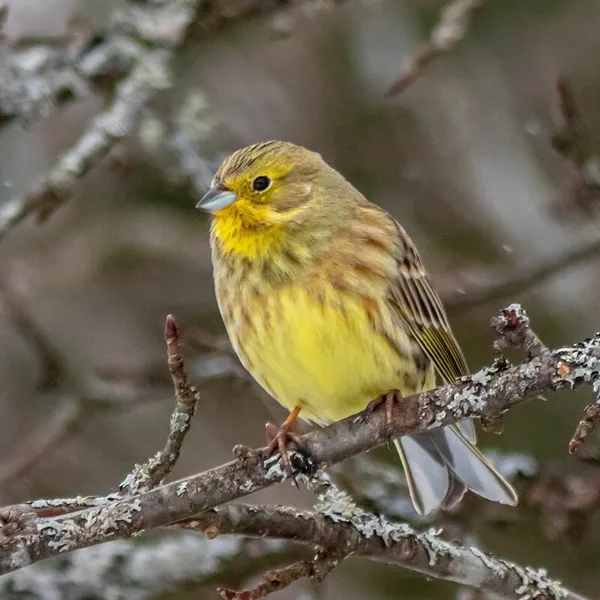
Yellowhammer
A very high priority in the SPA management plan (DOCOB)

Woodlark
Bird species of heritage value
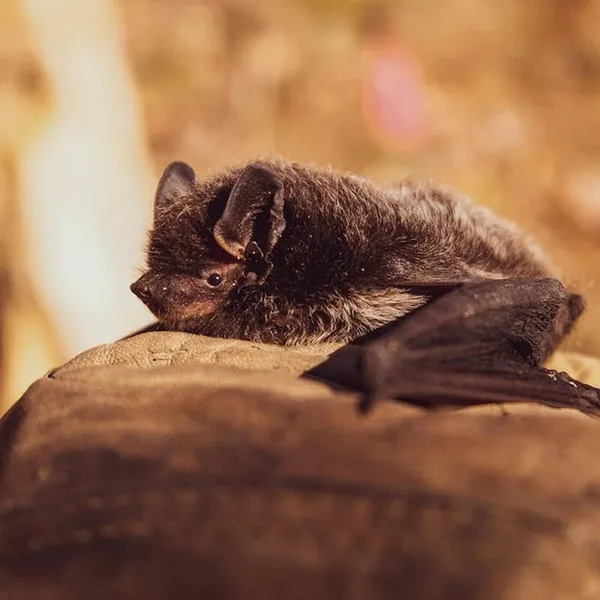
Bats
Several species sensitive to collisions with wind turbines were detected in the northern and central parts of the development zone where the turbines would stand.
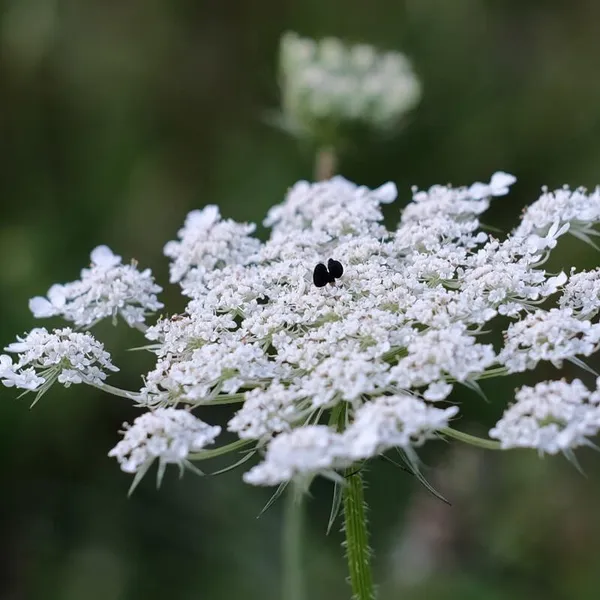
Dropwort
Heritage species of fairly high importance

Navelwort
Heritage species of fairly high importance
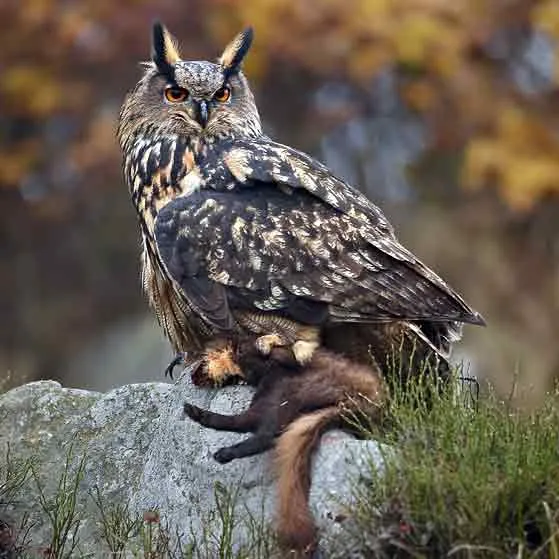
Eurasian eagle-owl
Nocturnal bird of prey
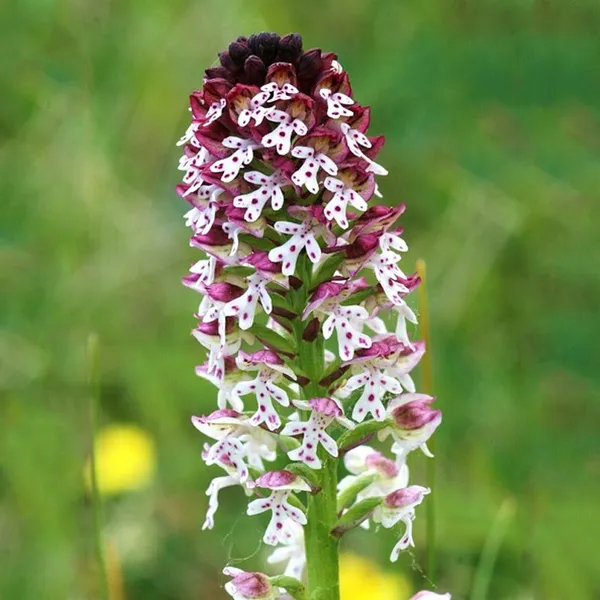
Burnt-tip orchid
Heritage species of fairly high importance
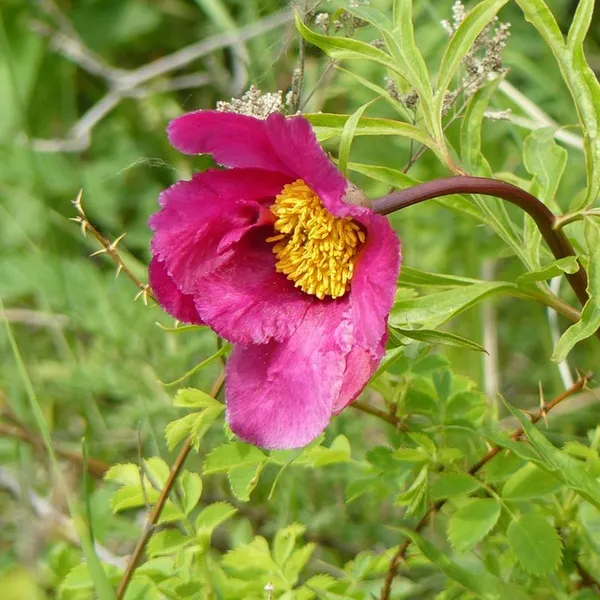
Peony (Paeonia mascula)
Protected species classed as endangered
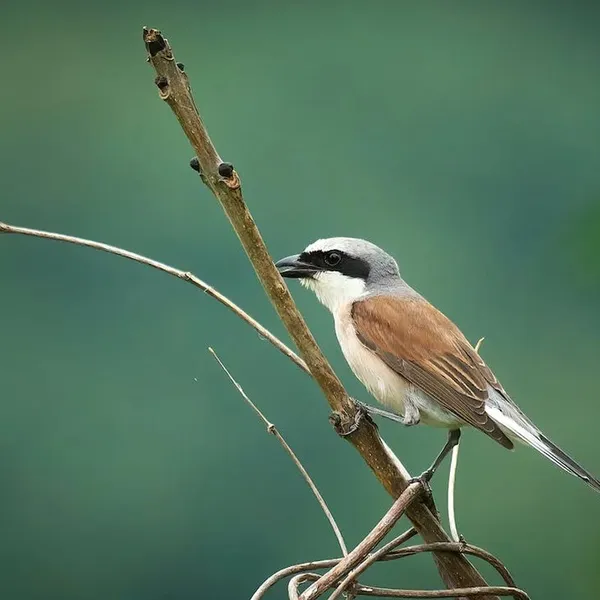
Red-backed shrike
Bird species of heritage value
Photos: Wikimedia Commons (public domain / CC0).
Frequently asked questions
Why can a wind turbine catch fire?
Flammable materials are found in the blades and the walls of the nacelle. In addition, it is estimated that on average around 800 litres of lubricating oil and other highly combustible liquids are held in the nacelle: a single source of ignition is enough to start a fire.
Source : Report, chapter V, p. 16
Can a wind turbine fire be put out?
Fighting these fires with conventional firefighting techniques is practically impossible: the nacelle is out of reach of fire hoses, and the likely outcome is to let the turbine burn until the fire goes out by itself. Wind turbines also create an exclusion zone for water-bombing aircraft.
Source : Report, chapter V, p. 17
Does climate change increase the risk of forest fires?
Yes. A United Nations report from February 2022, cited in the report, states that wildfires could increase by 14% by 2030 and by 30% by 2050.
Source : Report, chapter II, p. 3
Is lightning a particular risk in the Côte-d’Or?
In March 2023, almost 4,000 lightning flashes made the Côte-d’Or the most lightning-struck department in France; in 2021, 17,916 strikes were recorded there. At 500–600 m above sea level, the altitude of the Grands Communaux project, 25 to 30% of the wind turbines studied by G. Diendorfer had suffered at least one upward lightning strike.
Source : Report, chapter IV, p. 14
Why is the Ouche valley concerned?
The Grands Communaux wind farm project (Antheuil and Saint-Jean-de-Bœuf) plans to put wind turbines in and around the Natura 2000 forests of the Ouche valley. The regional environmental authority (MRAe) noted that “given the location of the project in a forest, which the application describes as relatively windy, the fire risk could have been developed further” (our translation).
Source : Report, chapter I, p. 2
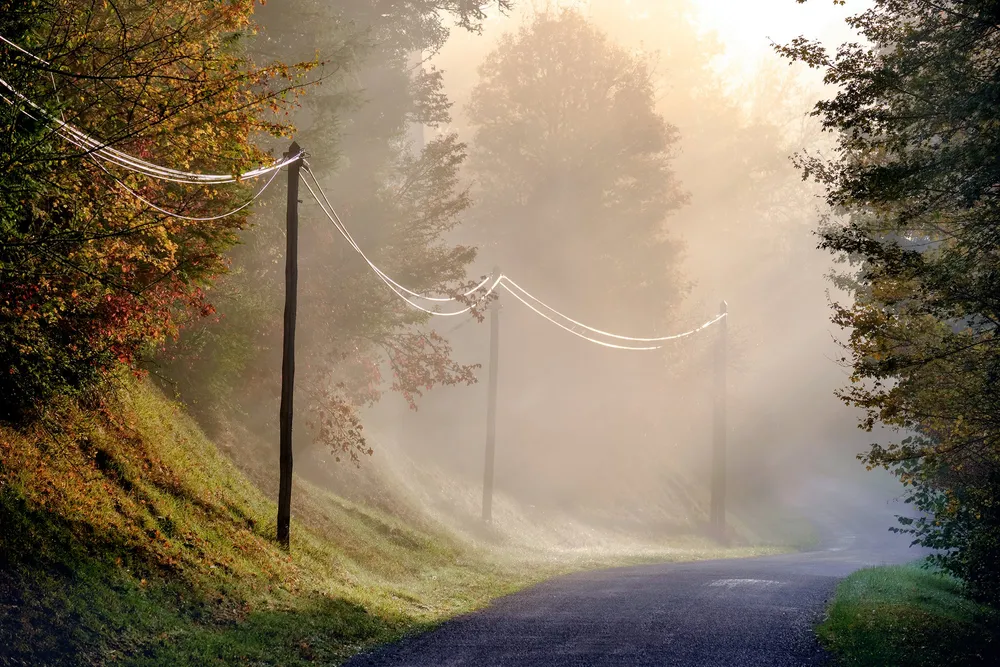 5 cases in France since 2016Arson incidents →
 The wind farm projectLa Plus Belle Vallée →The Grands Communaux wind farm project, on la-plus-belle-vallee.org (in French)